If you’re exploring UV flexible printing technology, one question is likely asked: “What can UV flexible printer actually print on?” Whether business owners expanding their product line or creative practitioners seeking new materials, cluring out the applicable materials of UV flexible printer is the key to making rational procurement decisions. Whether you are a small business owner who wants to add customised logos to your products, a marketing agency that needs to introduce internal printing capabilities, or a designers who is eager to try new material, understanding the surface type that can be handled by local UV flexible printing machines can help you avoid high mistakes and open up new opportunities.
Unlike traditional flatbed printers that require rigid printing materials—think wood, metal, or thick plastic—UV flexible printers are specially designed to handle volume-to-roll media. This has opened up a broad application space for identification signs, decoration, clothing and industrial manufacturing and other fields. In order to help you clear your mind, the following is a comprehensive list of all kinds of surfaces that can be handled by common UV flexible printers near you.
From beach flags to exhibition backboards, how can UV flexible printers make fabrics “alive”
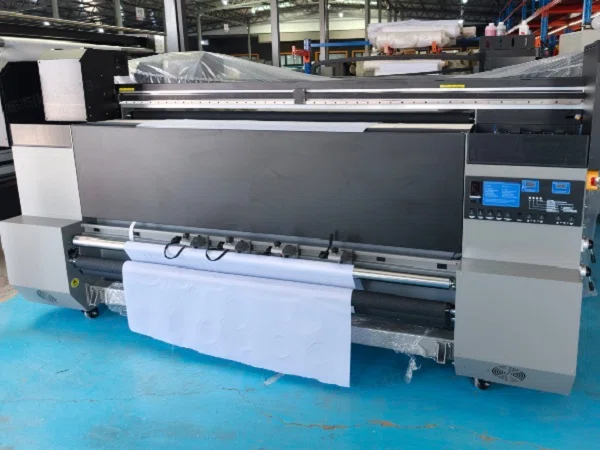
Imagine that there is a brightly colored fabric flag that does not fade in the wind and sun hanging at the door of your store, or the exhibition site is covered with high-quality polyester fabric posters. This is no longer a dream, but a reality brought by UV flexible printers. It is not only a printing, but also a perfect presentation of a soft logo.
It is specifically mentions its excellent performance in banners and mesh, textile media and soft logos. It can give these soft materials extremely high color saturation and durability, so that the ordinary fabric can instantly turn into an eye-catching visual focus and help you firmly catch the eye of customers.
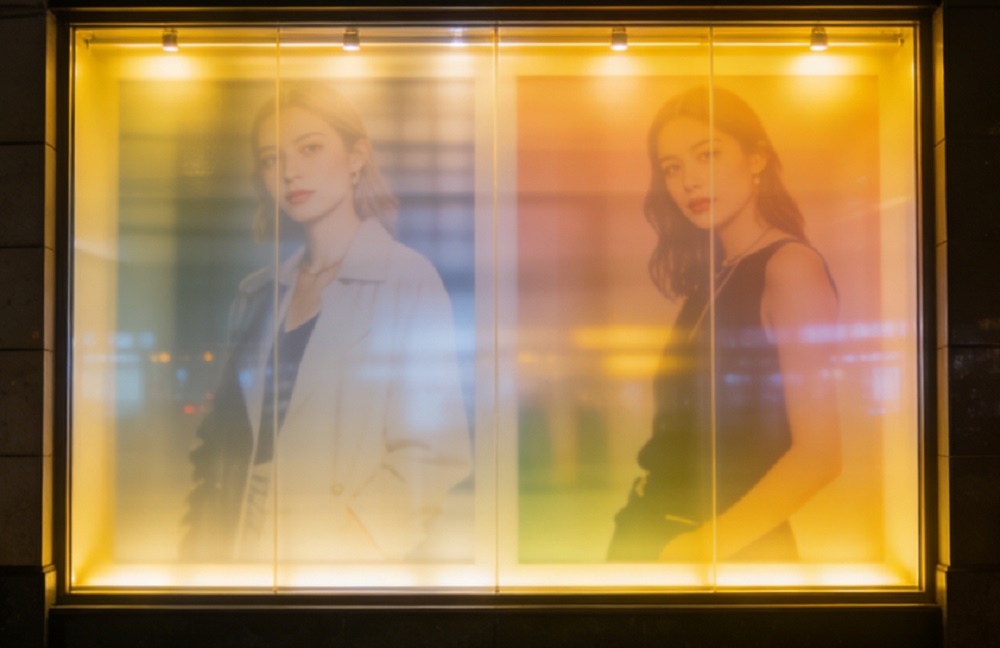
The “eye-catching artifact” at night: How can UV flexible printers play with translucent films?
Do you want to stand out on the street at night? The translucent film is your secret weapon. UV flexible printers can not only handle hard plates, but also control this special soft material. The picture specifically mentions its application on translucent film, which is an excellent choice for making light box backlight display and window pictures. Through UV printing, the light can penetrate the film to present soft and uniform colors, creating a very textured light and shadow effect. Whether it is a shopping mall window or a store light box, it can instantly upgrade and become the most eye-catching existence at night.
Specialty and Industrial Materials: Expand Your Business Horizons
When it comes to interior decoration or commercial promotion, the most troublesome aspects are the durability of materials and the special process requirements. Traditional printing methods often fail to meet the demands of these highly challenging industrial substrates. The UV flexible printer, with its strong adaptability, has perfectly solved this pain point.
As emphasized in the below picture, it can not only handle wallpaper and murals used for interior decoration, but also navigate floors and carpets for promotional activities. Especially for industrial textiles (such as automotive interiors and medical textiles), it can meet the specific requirements for curing performance, ensuring that the printed patterns are not only aesthetically pleasing but also can withstand high-frequency use and harsh environmental tests, truly achieving “long-lasting use without deformation”.
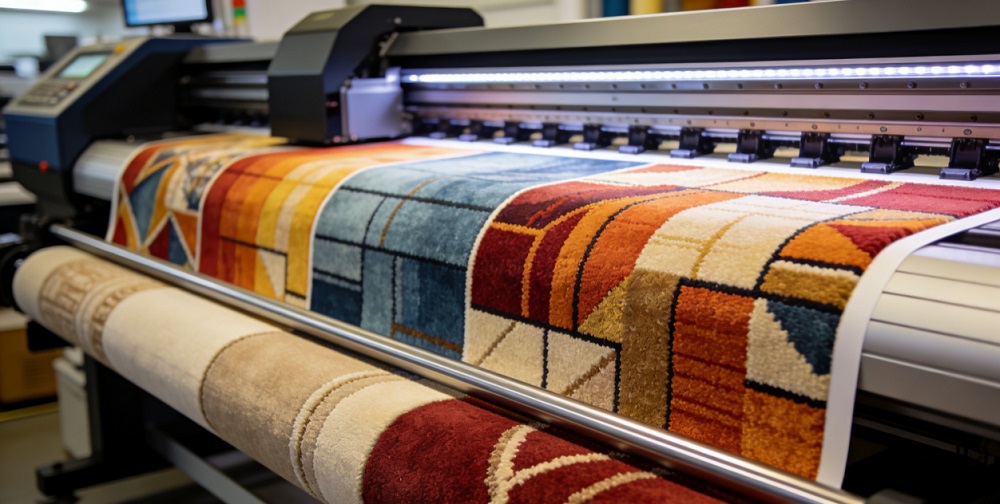
In industrial settings, UV flexible printers handle technical textiles used in automotive interiors, marine upholstery, and medical applications. These specialized materials require inks with specific curing properties to ensure longevity, resistance to chemicals, and compliance with industry standards—and UV inks are up to the task. Whether you’re printing on automotive seat fabrics, marine canvas, or medical textiles (like reusable gowns or equipment covers), a UV flexible printer can deliver high-quality, durable prints that meet the strictest requirements.
Must-see to avoid pits! Buy a UV flexible printer, 90% of people ignore these three details.
Many people buy a UV printer only because of the price and speed. As a result, when they buy it, they find that the fabric can’t be printed, and the film adhesion is not good. In the end, they can only be idle. In fact, material compatibility is the hard truth. When you’re searching for a “UV flexible printer near me,” it’s easy to get caught up in hardware specifications like print speed or resolution—but material compatibility should be your top priority.
To make the right choice, ask potential local suppliers three key questions:
First, does the UV ink system remain pliable after curing? This is critical for fabrics that need to be folded, stretched, or manipulated without cracking the print.
Second, does the printer have adjustable tension control? Delicate fabrics require gentle handling, while heavy-duty vinyls need more tension to feed smoothly—an adjustable system ensures you can handle both with ease.
Finally, is the UV curing system powerful enough to adhere to low-energy surfaces like polypropylene? These surfaces are common in industrial applications but can be tricky for inks to bond to, so a strong curing system is essential for long-lasting results.
Remember these three points so that you won’t step on a mine when choosing a machine.
Finding a local partner Aliy Group who understands these nuances is key to your success. A knowledgeable supplier will take the time to learn about your specific business needs, recommend a printer that works with the surfaces you use most, and provide support as you expand into new materials. Contact us now to help you check your needs and recommend an all-round device that can not only complete the current order but also accompany the future development of your business. Take this step, and your era of efficient production is about to begin!